-1.png?width=175&height=47&name=anthesis-logo_living-coral%20(1)-1.png)
Susan Harris takes an inside look on the role of durability of clothing and consumer behavior.
On average, in the UK people keep their clothes for about three years. The stat is often met with raised eyebrows by the fashion-focussed social media crowd, whereas the hair-shirt sustainability lot are dismayed at the shortness.
Yet, how long we keep garments for plays a big part when it comes to the environmental footprint of clothing.
What does the physical and emotional durability of clothing mean?
The truth is, how long we keep our clothes depends on a combination of how much we like them and how well they last.
In the Sustainable Clothing Guide recently produced by WRAP to help fashion brands improve clothing durability and sustainability, both emotional and physical durability are identified. Physical durability refers to things like whether the garment is well-made, if the fastenings are strong, if the colour lasts, if the fabric resists pilling and how well it holds its shape.
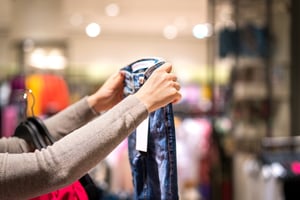 Emotional durability is about how important a garment is to 'me' - whether I want to keep it and keep wearing it. Think of an old favourite old t-shirt, pair of comfy jeans or that classic trench coat you don't want to get rid of.
Although everyone is different and emotional durability may vary from person to person, we know that things like classic cuts and styles, and feel-good fabrics tend to be associated with emotional durability.
matching Physical And Emotional Durability to create Sustainable Clothing
In an ideal world, physical and emotional durability of a garment should be well-matched. A shirt or coat I love will stay looking great while I wear it again and again, reducing the life cycle impact as I keep and wear it for longer. At the same time, for brands and retailers, that means great customer satisfaction, which breeds brand loyalty.
On the sharp end, it can also mean a reduction in returns, as WRAP’s work helping a range of retailer’s pilot durability improvements has shown. Furthermore, tracing back down the value chain from the shop floor into production, embedding durability principles in design and manufacturing can reduce garment failure and, because it is so strongly linked to the quality agenda, the increased level of rigour can improve efficiency in the sampling and production process.
Embedding durability principles in business
Although more traditional brands may find initial resistance from commercial teams who worry that the concept is at odds with their business aim of selling more clothes, most are able to see how the underlying principles align well with their quality, efficiency and customer satisfaction aims.
Through our work with various sector commitments around the globe, we are seeing industry benchmarks and standards being developed at both a national and pan-national level. This is certainly a growth area for the sector.
It's also clear that fast fashion is coming under increasing scrutiny from both the consumer and potentially from policymakers.
There are a range of techniques and intervention points that brands and retailers can use to begin embedding durability principles within their ranges. Many of these are low or no cost, and will fit well with existing quality and customer satisfaction agendas.
WRAP's Sustainable Clothing Guide gives information on the tools and techniques, along with case studies detailing how brands and retailers have made it work in their own businesses. You can also download our apparel service guide which explain in more detail the key areas where your business can take action.

If you have anything specific to discuss, please contact us below or take a look at our sustainable apparel and textiles resource page for much more information on how your company can meet growing consumer expectations and reduce your risk at the same time.
About The Author
Susan Harris is a Technical Director at Anthesis, specialising in resource efficiency in the clothing sector, sustainable supply chains, and industry engagement. She was strongly involved in the development of the SCAP2020 and has worked with numerous high-street and high-end clothing brands to help them develop and embed a business-focused approach to sustainability.