-1.png?width=175&height=47&name=anthesis-logo_living-coral%20(1)-1.png)
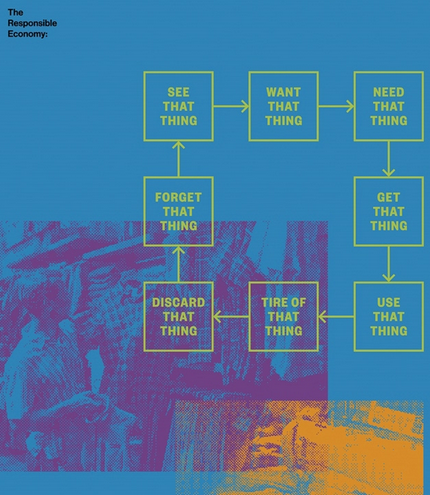
A couple of weeks ago, as I sorted through the usual pile of junk mail that builds up on my doormat, I came across the Fall Patagonia catalogue (which to be fair to Patagonia I had intentionally ordered and therefore probably can’t call junk). In it was an article outlining their new environmental campaign “The Responsible Economy”. Between images of snow-clad mountains and wilderness areas, which reminds us of what we have to lose, it challenges the reader to rethink the assumption that prosperity is based on growth and increased consumption. Growth, it argues is important to healthy economies, companies and to individuals fulfilling personal ambitions, but healthy levels of growth and consumption can become unhealthy if they are excessive and out-of balance with natures ability to replenish.
This is a logical and reasonable argument, but the challenge is; how do you know when healthy patterns of growth and consumption become unhealthy? How do you determine the tipping point and measure your performance against it?
Natural Capital-thinking is a leading framework to help measure and understand the balance between healthy and unhealthy growth and therefore when investment decisions become risky and profit unsustainable. Using economic and environmental data such as climate and biodiversity, Natural Capital models developed by the Global Footprint Network suggest we have passed the tipping point and now need the equivalent of 1.5 planets to sustain our current rates of growth and consumption. This is an important reference point for all of us and particularly useful for the policies and time horizons governmental organizations work with; but how can it be used in a meaningful way by businesses that work quarter to quarter and have to be responsive to rapidly changing customer preferences and market opportunities? Can Natural Capital thinking be used to help businesses understand and predict whether their patterns of consumption and growth are healthy?
We believe that a number of the jigsaw pieces are falling into place:
- Firstly, more companies are maintaining proprietary data on the environmental attributes of their products and services, operations and up and downstream supply chains. These data sets are maintained in data warehouses with business intelligence applied for analysis and reporting alongside with other key business information. Elements of this information are publicly disclosed via regulatory and voluntary disclosures and aggregated by various organizations to look at industry impacts and trends. Target's latest foray into product performance data collection and standards is just the most recent example.
- Secondly, over the past decade large and unstructured “big data” has become affordable and quick to analyze. Open-source tools like Hadoop and low cost storage and computational services enabled by Cloud infrastructure mean that big and unstructured data sets, such as those associated with Natural Capital, have become available at a speed and price point that is useful to business planning and decision-making.
The next step in this data journey is moving from reporting past performance to gaining insights and predicting future performance by blending structured corporate data sets with big data analytics. Looking for correlations between proprietary data and big public data will surely be an important step in understanding what constitutes healthy and unhealthy growth. Pioneers in this area, such as PUMA, have correlated core product and supply chain data with wider economic and environmental data yielding insights into key business risks, such as supply chain resiliency linked to the effects of climate change and associated commodity price fluctuations.
It seems therefore that the proprietary environmental and social impact data companies are collecting today has the opportunity to become an increasingly important strategic asset. Companies applying new analytical methods to their data will have insights and competitive advantages in a world with increasingly depleted natural capital where the balance between healthy and unhealthy patterns of growth and consumption are more critical to corporate competitiveness.
So back to my front doormat and Patagonia’s “Responsible Economy” campaign; it is interesting that Patagonia, a commercial enterprise is wanting to lead this discussion. The pursuit of growth and profit often casts corporations as the bad guys in the equation. However, if there’s a route through the data to better understand healthy growth and profit; then competitive advantages will surely follow and Corporations might ironically be the most important catalyst for the Responsible Economy.